You Don't Have to Eat Kale If You Hate Kale

Let me paint a picture. You've decided to eat healthier. You've read the articles, watched the YouTube videos, maybe even downloaded a meal plan. So Sunday rolls around and you dutifully prep five containers of kale salad because every wellness influencer you follow swears by it. Monday goes fine. Tuesday you eat it with a quiet sense of dread. By Wednesday you're ordering a burger and calling the whole thing a failure.
Sound familiar? You're not weak. You're not undisciplined. You just made a very common, very understandable mistake: you built a nutrition plan around what you thought you should eat instead of what actually works for you.
Here's the thing nobody in the wellness space says loudly enough — eating food you hate is not a health strategy. It's a short-term experiment with a predictable ending.
The Myth of the Universal Superfood
Nutrition culture has a strange tendency to crown specific foods as universally superior and then quietly shame anyone who doesn't love them. Kale. Quinoa. Celery juice. Açaí. Bone broth. The list shifts every few years, but the underlying message stays the same: eat this, even if it makes you miserable, because it's good for you.
But here's what that advice ignores entirely — the best food for your health is the nutritious food you'll actually eat consistently. A food's nutritional profile means nothing if it ends up in your trash or replaced by a drive-through run because you couldn't face another bowl of something you despise.
Dietitians have a term for this: dietary adherence. And research consistently shows it's the single most important factor in whether any eating pattern produces long-term results. Not the specific macros. Not the superfood status of your greens. Whether or not you actually stick with it.
What Happens in Your Body When You Dread Your Meals
This goes beyond willpower and psychology, though those matter too. There's a physiological argument for eating food you enjoy.
When you eat something you genuinely like, your body releases digestive enzymes and gastric juices more effectively — a process sometimes called the cephalic phase digestive response. Your mouth waters, your gut prepares, and your body is primed to absorb nutrients efficiently. Pleasure and anticipation are actually part of the digestive process.
On the flip side, eating while stressed, resentful, or disgusted activates your sympathetic nervous system — the same "fight or flight" response that diverts resources away from digestion. Chronically eating in a state of low-grade food aversion can contribute to bloating, poor nutrient absorption, and a complicated relationship with mealtimes that often leads to bingeing on the foods you were trying to avoid in the first place.
There's also the stress hormone angle. Forcing yourself to follow a rigid, joyless eating plan elevates cortisol over time. And elevated cortisol, as we know, is linked to increased appetite, cravings for high-fat and high-sugar foods, and disrupted metabolism. The very stress of eating "perfectly" can undermine the results you're working toward.
The Permission Problem
A lot of people intellectually understand that they don't have to eat foods they hate — but emotionally, they can't quite give themselves permission. There's a layer of wellness guilt baked into our culture that frames food enjoyment as suspect, even indulgent. If you're not suffering a little, are you really being healthy?
Yes. Actually, yes.
Enjoyment is not the enemy of good nutrition. It's one of its most powerful allies. Cultures with some of the strongest health outcomes in the world — Mediterranean, Japanese, Okinawan — share a common thread of genuine pleasure in food. Meals are social, sensory, and satisfying. Food is not a punishment or a transaction. It's something people look forward to.
Compare that to the diet culture approach, where food is categorized as good or bad, where eating is a test of moral character, and where anything enjoyable is automatically suspect. That mindset doesn't produce healthy people. It produces people with anxiety around food and a cycle of restriction and rebellion that can last decades.
Building a Nutrition Practice That Actually Lasts
So what does sustainable, enjoyment-based eating actually look like in practice? It's less dramatic than most wellness content would have you believe.
Start with what you already like. Make a list of nutritious foods — or meals that can be made nutritious — that you genuinely enjoy. Don't think about what you should like. Think about what you'd actually choose if health weren't a consideration, then look for ways those foods can work for you. Love tacos? Great. Load them with protein, fiber-rich beans, and a pile of vegetables. That's a real meal.
Experiment without pressure. Trying new foods is great — but there's a difference between curious exploration and forcing yourself to acquire a taste for something you've hated three times already. Give new foods a genuine try, prepared well, and then let yourself off the hook if they're not for you.
Stop ranking foods morally. Eating a salad doesn't make you virtuous. Eating a slice of pizza doesn't make you a failure. When you remove the moral charge from food choices, you make space for actual intuition about what your body needs and wants — which turns out to be a pretty reliable guide.
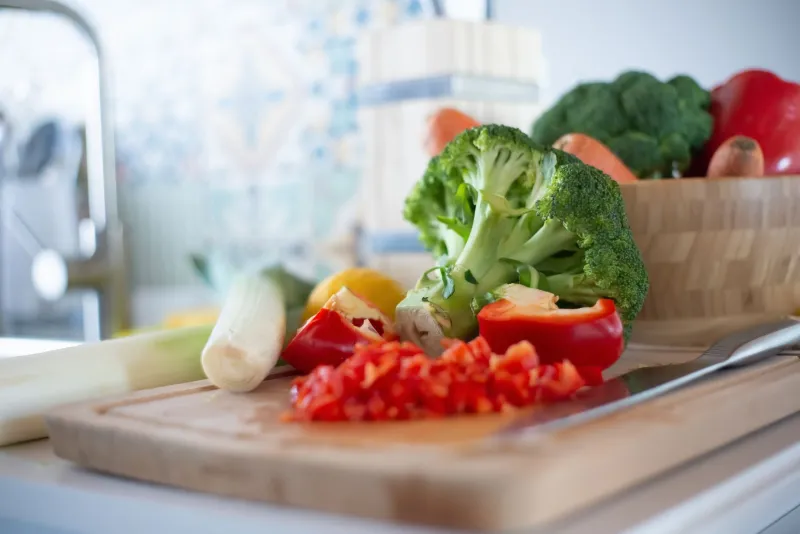
Find your version of vegetables. Nearly everyone can find a vegetable preparation they don't hate. If raw kale is a hard no, try roasted broccoli, sautéed zucchini, or a hearty vegetable soup. The goal is getting the nutrients, not earning points for suffering through the trendiest option.
Focus on patterns, not perfection. One meal, one day, even one week doesn't determine your health outcomes. What you eat most of the time, over months and years, is what matters. A sustainable pattern of mostly-good-enough is worth infinitely more than a perfect plan you abandon every three weeks.
Your Dose of Reality
Healthy eating doesn't require martyrdom. It requires consistency, and consistency requires at least some degree of enjoyment. Give yourself permission to build a nutrition life that actually fits yours — one where dinner is something you look forward to, not something you white-knuckle through.
That's not lowering the bar. That's finally setting it in the right place.