Are You Actually Drinking Enough Water — Or Just Drinking Enough?
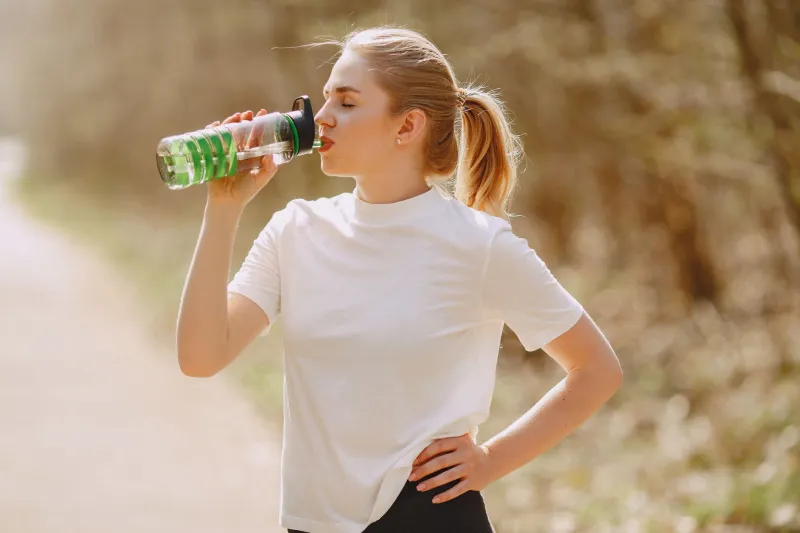
Let's be honest: at some point, we've all felt smug about finishing a big water bottle before noon. Gold star, right? Maybe not. The truth about hydration is messier, more personal, and frankly more interesting than any universal rule can capture. Drinking water is obviously essential — but drinking the right amount for your body is a completely different conversation.
Where Did "8 Glasses a Day" Even Come From?
The eight-glasses rule is one of those wellness facts that got repeated so many times it became gospel. But here's the thing: it was never really based on rigorous science. The origin is often traced back to a 1945 recommendation from the U.S. Food and Nutrition Board suggesting about 2.5 liters of water daily — but that same document noted that most of it could come from food. Somewhere along the way, that nuance got lost.
Modern research supports a much more fluid (pun intended) approach. The National Academies of Sciences now suggests roughly 3.7 liters total daily water intake for men and 2.7 liters for women — but again, that includes water from all sources, including fruits, vegetables, coffee, and soup. So if your morning is a bowl of oatmeal, a smoothie, and a couple of clementines, you're already ahead before you've touched your water bottle.
The Factors That Actually Determine Your Needs
Hydration isn't one-size-fits-all, and several big variables push your personal requirements up or down.
Where you live matters more than you think. Someone in Phoenix sweating through a July afternoon has dramatically different hydration needs than someone in Seattle navigating a mild, overcast day. Heat and humidity accelerate fluid loss through sweat, and altitude — hello, Denver — can also speed up water loss through increased respiration. If you've ever noticed feeling parched after a flight or a ski trip, that's altitude doing its thing.
Activity level is obvious, but the details are tricky. Yes, you need more water when you exercise. But how much more depends on workout intensity, duration, and your individual sweat rate, which varies wildly from person to person. Some people lose over a liter of sweat per hour during intense exercise; others lose a fraction of that. A rough rule: aim to drink enough before, during, and after workouts so your urine stays a pale yellow — not clear, not dark amber.
Your metabolism and body composition play a role too. Muscle tissue holds more water than fat tissue, so people with more lean mass generally have higher baseline hydration needs. Metabolic rate matters as well — a faster metabolism generates more heat, which the body dissipates partly through sweat.
Certain medications and health conditions shift the equation. Diuretics, for example, increase fluid excretion. Kidney conditions, heart issues, and thyroid disorders can all affect how your body manages water. If you're managing any chronic condition, your hydration target really should come from a conversation with your doctor rather than a wellness blog — including this one.
The Overlooked Piece: Electrolytes
Here's where a lot of well-meaning hydration advice goes sideways. Water doesn't work alone. It moves in and out of your cells in partnership with electrolytes — sodium, potassium, magnesium, and chloride, among others. When that balance gets disrupted, you can run into trouble even if you're technically drinking plenty of fluids.
Over-hydration without adequate electrolytes can lead to a condition called hyponatremia — essentially, low sodium levels in the blood. It's more common than most people realize, particularly among endurance athletes who drink large amounts of plain water during long events. Symptoms can range from nausea and headaches to, in severe cases, confusion and seizures. It's rare in everyday life, but it's a real reminder that more water isn't always better.
For most people who aren't running marathons, the fix is straightforward: eat a balanced diet rich in whole foods. Fruits, vegetables, dairy, nuts, and legumes naturally supply electrolytes. If you're exercising hard for over an hour, a sports drink or electrolyte supplement might be genuinely useful — not just marketing.
Signs You Might Be Under-Hydrated
The classic signals are familiar: dark urine, dry mouth, fatigue, headaches. But some signs are subtler. Difficulty concentrating, a general sense of brain fog, and even mild irritability have been linked to low-level dehydration. Skin that's slow to bounce back when pinched (the "skin turgor" test) is another old-school indicator, though it's less reliable in older adults.
Constipation is another one people don't always connect to fluid intake. The large intestine draws water from its contents to maintain hydration elsewhere in the body — so if you're chronically low on fluids, things can get backed up.
Signs You Might Be Overdoing It
Yes, this is a real thing, even outside of extreme athletic contexts. Drinking excessive water can lead to frequent urination that disrupts sleep and daily life, a constant feeling of bloating or fullness, and in some cases, headaches and nausea — ironically the same symptoms people sometimes try to treat by drinking more water.
If you feel compelled to drink water constantly even when you're not thirsty or active, it's worth mentioning to a doctor. Excessive thirst and urination can be early signs of conditions like diabetes or kidney issues that deserve attention.
So, How Do You Actually Find Your Sweet Spot?
Thirst is a better guide than it gets credit for — in healthy adults who aren't elderly, it's a reasonably reliable signal. Pay attention to it. Use urine color as a daily check-in: pale yellow is your target. Adjust upward on hot days, during workouts, and when you're sick. Dial it back if you're peeing clear every hour and feeling bloated.
And don't forget food. A diet loaded with produce — cucumbers, watermelon, leafy greens, berries — contributes meaningful hydration without a single sip from your water bottle.
The bottom line? Your daily dose of hydration isn't a fixed number. It's a moving target shaped by your body, your lifestyle, and your environment. The best thing you can do is tune in to what your body is actually telling you — and maybe stop competing with yourself over how many ounces you logged by 10 a.m.