You're Drinking Plenty of Water — So Why Are You Still Exhausted?
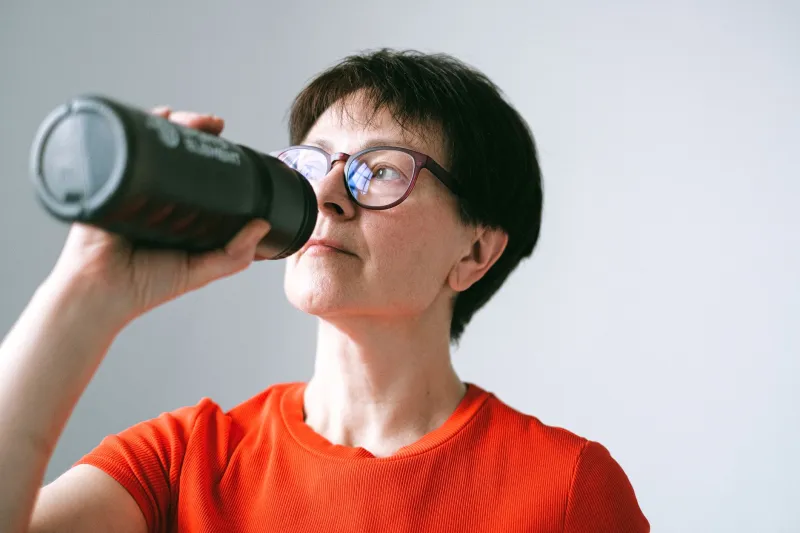
You've got the big water bottle on your desk. You've downloaded the reminder app. You're hitting your eight glasses before dinner most days, and you feel like you deserve a gold star for it. So why does that 2 p.m. brain fog still hit like a wall? Why are your muscles cramping after workouts and your skin still looking kind of dull?
Here's the thing nobody put on that motivational water bottle: drinking water and being hydrated are not the same thing.
The "eight glasses a day" rule is one of the most persistent pieces of health advice in American culture — and it's also one of the least useful. It's not that drinking water is bad advice. It's that it's wildly incomplete. True hydration is a whole system, and water is just one variable in a much more interesting equation.
Where the "8 Glasses" Rule Actually Came From
The origin of this guideline is almost embarrassingly vague. It traces back to a 1945 recommendation from the U.S. Food and Nutrition Board that suggested people consume about 2.5 liters of water daily — but the same document noted that most of that would come from food. Somewhere along the way, the nuance got lost, and we ended up with a one-size-fits-all number that ignores basically everything about you as an individual.
Your hydration needs depend on your body weight, your activity level, the climate you live in, your diet, your hormonal cycle if you have one, your kidney function, and even the medications you take. A 130-pound woman doing yoga in Minnesota in January has completely different hydration requirements than a 200-pound guy doing construction in Phoenix in July. Treating them both to the same eight-glass prescription makes about as much sense as giving them the same shoe size.
The Electrolyte Problem Nobody's Talking About
Water needs a vehicle to actually get inside your cells. That vehicle is electrolytes — minerals like sodium, potassium, magnesium, and chloride that regulate fluid balance at the cellular level. When your electrolytes are out of whack, water passes through you rather than hydrating you. You can literally drink yourself into a worse state of dehydration if you're flushing electrolytes without replacing them.
This is especially common among people who:
- Exercise regularly and sweat a lot
- Eat a low-sodium or very clean diet
- Drink a lot of plain water without eating mineral-rich foods
- Consume a lot of caffeine or alcohol, both of which are diuretic
- Live in hot, humid climates like the Southeast or Southwest
If you're in any of these camps and you're still feeling low-energy despite your hydration efforts, electrolyte imbalance is a very real possibility. You don't need to go overboard with sports drinks loaded with sugar — a pinch of quality sea salt in your morning water, a banana, or a handful of pumpkin seeds can make a meaningful difference. Coconut water is another solid option for a natural electrolyte bump.
Timing Matters More Than You Think
When you drink water is almost as important as how much. Your body's ability to absorb and use fluids shifts throughout the day, and there are some windows where hydration is dramatically more effective.
First thing in the morning is one of the best times to hydrate. You've just gone six to eight hours without water, and your body is running on a mild deficit. A glass or two before coffee can improve cognitive function, kick-start digestion, and give your metabolism a gentle nudge.
Before meals is another smart window — about 20 to 30 minutes ahead of eating. This supports digestion and can also help with appetite regulation.
During and after exercise, hydration timing becomes critical. Waiting until you're thirsty during a workout means you're already behind. Sipping consistently — rather than chugging at the end — keeps your performance steadier and your recovery faster.
What you want to avoid is drinking large amounts of water all at once just to hit a number. Your kidneys can only process about a liter of water per hour. Anything beyond that gets excreted, and you've accomplished nothing except a lot of bathroom trips.
Your Body Is Already Telling You What It Needs
Here's the most underrated hydration tool you already own: your urine. Pale yellow — think lemonade — is the goal. Dark yellow or amber means you need more fluids. Completely clear can actually indicate you're over-hydrating and possibly diluting your electrolytes.
Other signs your hydration strategy needs a tune-up:
- Persistent fatigue that doesn't improve with sleep
- Headaches in the mid-morning or afternoon
- Muscle cramps, especially at night
- Dry lips or skin even when you're drinking consistently
- Difficulty concentrating or a foggy feeling mid-day
- Feeling thirsty even after drinking water
That last one is a big signal that electrolytes are likely the missing piece.
A More Personalized Approach to Staying Hydrated
Instead of counting glasses, try building a hydration practice around these principles:
Eat your water. Fruits and vegetables have high water content and come packaged with natural electrolytes. Cucumbers, watermelon, celery, strawberries, and leafy greens are all excellent sources. If your diet is heavy on processed food, you're missing a significant hydration source.
Adjust for your environment. Living in a dry or hot climate? You need more. Working in an air-conditioned office all day? You might be losing more moisture than you realize through dry air. Traveling by plane? Cabin air is notoriously dehydrating.
Factor in your activity. A general rule of thumb: add about 16 ounces of fluid for every 30 minutes of moderate exercise, and replace electrolytes after anything that makes you sweat significantly.
Listen to your body's patterns. Notice when your energy dips. For many people, it correlates directly with a hydration gap — not just in water, but in mineral intake. Keeping a loose mental note of how you feel at different points in the day can help you identify your personal weak spots.
The Bottom Line
Hydration is genuinely one of the simplest and most impactful things you can do for your daily energy, focus, and overall health. But the version most of us were taught — drink eight glasses, done — is a starting point at best. The real daily dose of hydration is personalized, timed, and mineral-aware.
Your body isn't a generic template. Stop treating your hydration like it is.